

I want my videos to be helpful to you. I want them to address topics, concerns, and questions that you have. If you feel comfortable, you can leave them in the comments to this video. If you prefer to...

Are Littles in DID really children? Learn how trauma-holding parts can be stuck in trauma-time, when Littles grow, and what that means for healing...

Anchors help parts stuck in trauma time reconnect to the present. Learn how everyday objects and reminders can show it’s now, not the past...

Learn Lisa Ferentz’s step-by-step plan for handling trauma flashbacks—grounding, naming the type, and using it to heal while staying in the present...

Timelines help trauma-holding parts in DID/OSDD/complex PTSD see it’s the present, not the past. Learn how to create one with milestones and memories...
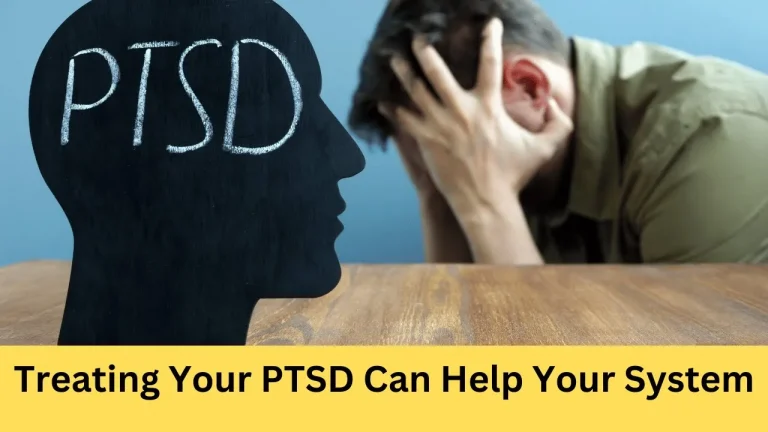
Cognitive Processing Therapy (CPT) may help DID/OSDD systems reduce PTSD triggers and chaos. Learn how CPT works, its benefits, and who it’s right for...

In DID/OSDD, trauma-holding parts may stay stuck in trauma time. Learn why reorienting them to the present is essential for safety, healing, and relief...
Do DID alters need names? Not necessarily. Learn how systems identify parts—by age, role, or group—and why naming every part isn’t required for healing...
Learn four key principles of trauma-informed therapy: avoiding re-traumatization, recognizing trauma outcomes, care coordination, and therapist self-care...