
DID didn’t ruin you — it saved you. This video explains how DID works as a life-saving defense against overwhelming trauma...
Lost time and memory gaps can look like ADHD or dissociation — this video shows why telling the difference really matters...
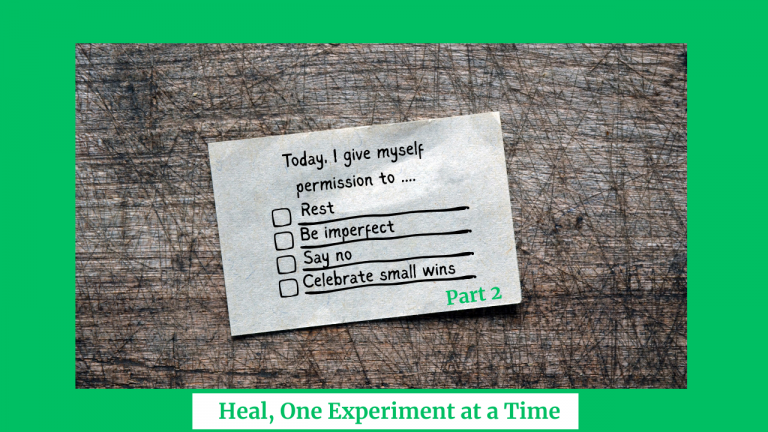
Healing often starts with permission — this video shows how using daily “permission slip” experiments can make change feel possible...
DID healing is like tending a garden — pulling old trauma patterns, planting self-compassion, and growing a safer inner world over time...
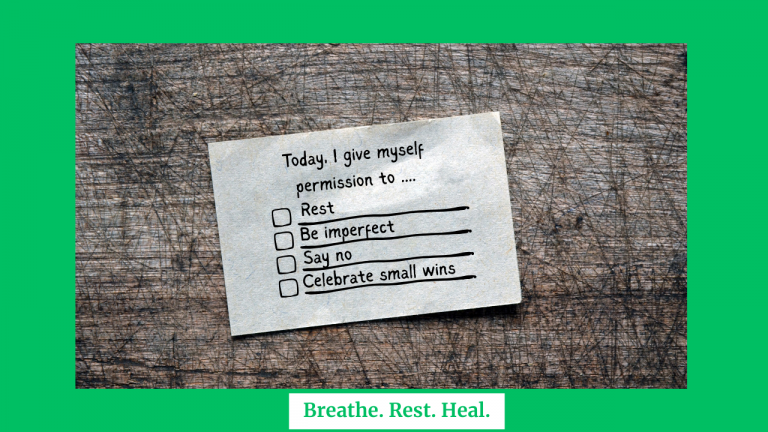
Feeling stuck in “trauma rules”? This video shows how permission slips can create safe choices and gentle freedom for DID and complex trauma survivors...
Struggling with emotional numbness? Learn why it happens in DID and trauma, and explore gentle strategies to reduce numbness and reconnect with feelings...
This video explores how childhood “imaginary friends” may have been early DID system members — companions created for safety, comfort, and survival...
This video explains why DID parts often stay hidden for years and why awareness usually emerges only when your system feels safer...

This video addresses the shame many survivors feel when their body responded during abuse. It explains why this happens, why it’s not consent, and why it’s not your fault...