
How to Work with Critical and Perfectionist Alters
Critical or perfectionist alters can feel cruel, but their intent is often protection. This video shows how reframing and modeling communication can turn them into allies.

Critical or perfectionist alters can feel cruel, but their intent is often protection. This video shows how reframing and modeling communication can turn them into allies.
Daily structure is more than routine—it’s a stabilizing tool for systems. This video shares seven ways structure supports DID and OSDD recovery.

Want a simple daily habit that builds trust and system communication? This video explains the power of daily system meetings in DID recovery.
Nonverbal trauma memories are common in complex trauma. This video explains why they rarely connect to a single event and how focusing on symptoms reduces intensity.
Four recommended books for DID recovery—helpful with or without a therapist. Learn skills, reduce chaos, and build progress between therapy sessions.

Most trauma memories are nonverbal. Learn how unrecognized trauma memories appear as feelings, body sensations, or impulses and why identifying them matters.
This video builds on the previous overview of system parts by breaking down emotional parts (EPs) into seven common subtypes. Each type—fight, flight, fear, shame, needy, perpetrator-imitating, and helper—developed to protect the system in different ways. Understanding these categories can make your system feel less confusing and open the door to greater self-compassion.
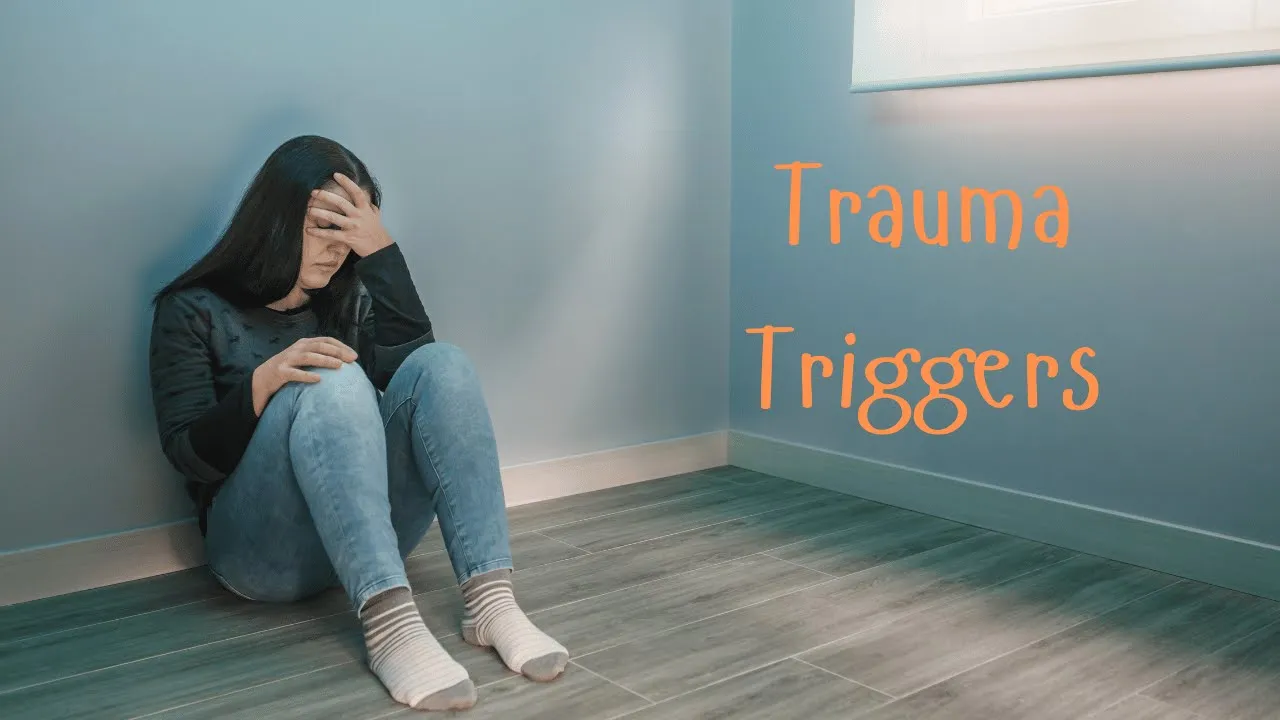
Your sense of smell is deeply tied to memory and emotion. Because it connects directly to the brain’s fear center, it can trigger flashbacks—but it can also stop them in their tracks. This video shares how to use scent as a grounding tool for DID or trauma-related flashbacks.

https://youtu.be/5ixP4TjxAuA One of your senses transmits its sensory information directly to your amygdala. Because of this, this sense is the quickest trigger for flashbacks. This sense is also the quickest…
This video explores one of the most common fears for people with DID or OSDD: “If I don’t remember the trauma, how can this be real?” You’ll learn how trauma affects memory storage, why nonverbal memories matter, and why the absence of clear memories doesn’t mean the absence of trauma.