

Learn why trauma bonds can form with abusive caregivers and how attachment, hope, distress, and relief can help maintain these powerful bonds...

If pushing through has always been how you handle difficult things, you may instinctively approach recovery the same way. But system collapse requires something different...

Many parts learned early that their wants and opinions didn't matter. One surprisingly simple everyday practice can begin challenging that message...

Learn how mental safety signals can help your nervous system recognize when you’re not in immediate danger, including practical ways to reduce urgency...
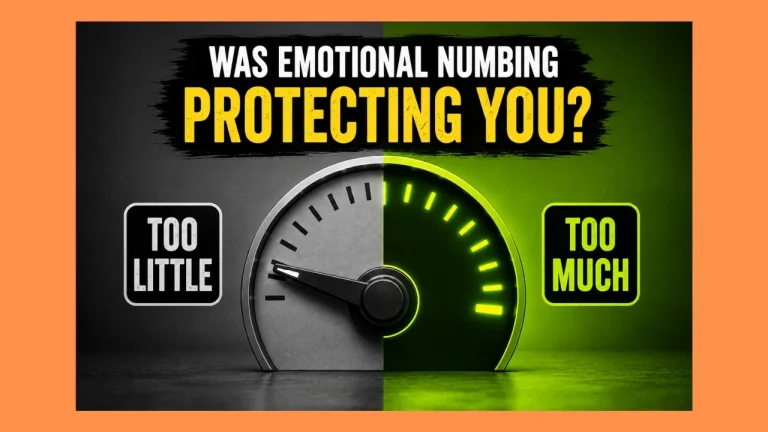
Learn why emotional numbing can develop after trauma, how it may have helped you survive, and why understanding its protective role can support healing...

Most advice about people-pleasing focuses on boundaries. But what if the real issue isn't boundaries at all? Discover why people-pleasing can become an automatic survival response after trauma...
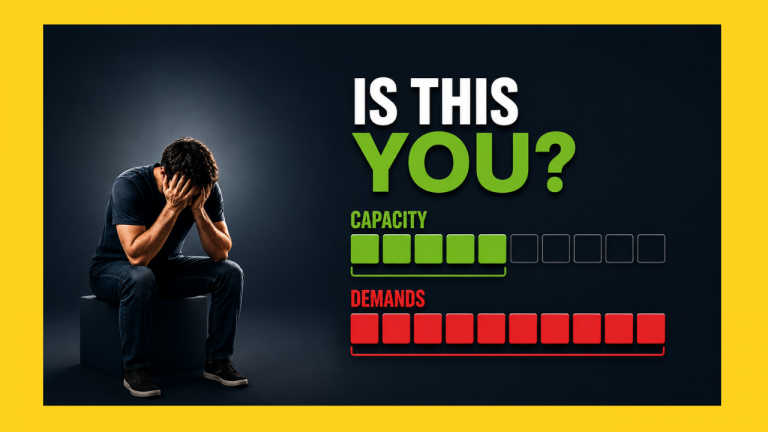
Learn why pushing harder can slow recovery from decompensation (system collapse) and what to do instead...

Learn how deep pressure and humming can help calm your nervous system by sending signals of safety to your body. Discover two simple techniques you can use when you feel anxious or unsafe...
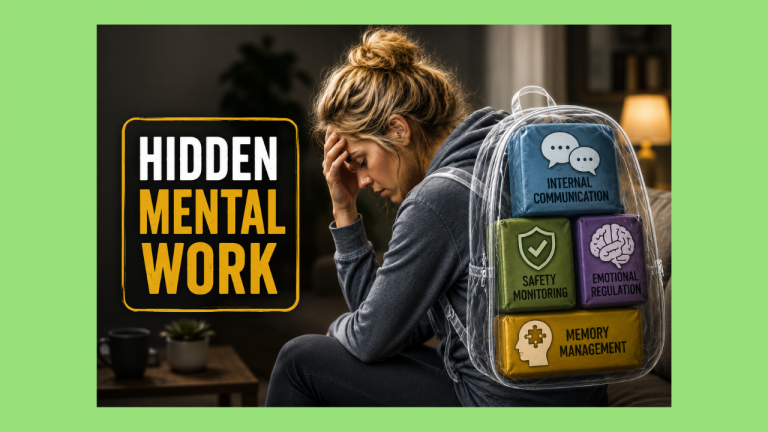
Living with DID or OSDD often involves constant hidden mental work. Learn how cognitive load contributes to exhaustion and why you may feel tired even on quiet days...