Boundaries You Can Control
This article explains how unilateral boundaries can reduce overwhelm and increase stability in dissociative systems without requiring confrontation or agreement.

This article explains how unilateral boundaries can reduce overwhelm and increase stability in dissociative systems without requiring confrontation or agreement.

Explains how heavy cognitive load and divided attention can increase switching in DID as the system redistributes mental effort under strain.

This article explains why time can feel compressed or stretched in Dissociative Identity Disorder, showing how shifts in awareness and memory encoding affect time perception without indicating a loss of reality.

This article explains why someone with DID can feel present but not in control.

Explains why some people with DID may have an inner world without conscious access, and how protective dissociation can limit waking awareness while still allowing safe, indirect internal experience.

Explains how complex trauma can be activated by age, developmental stages, and trauma time — even when life is safer now.
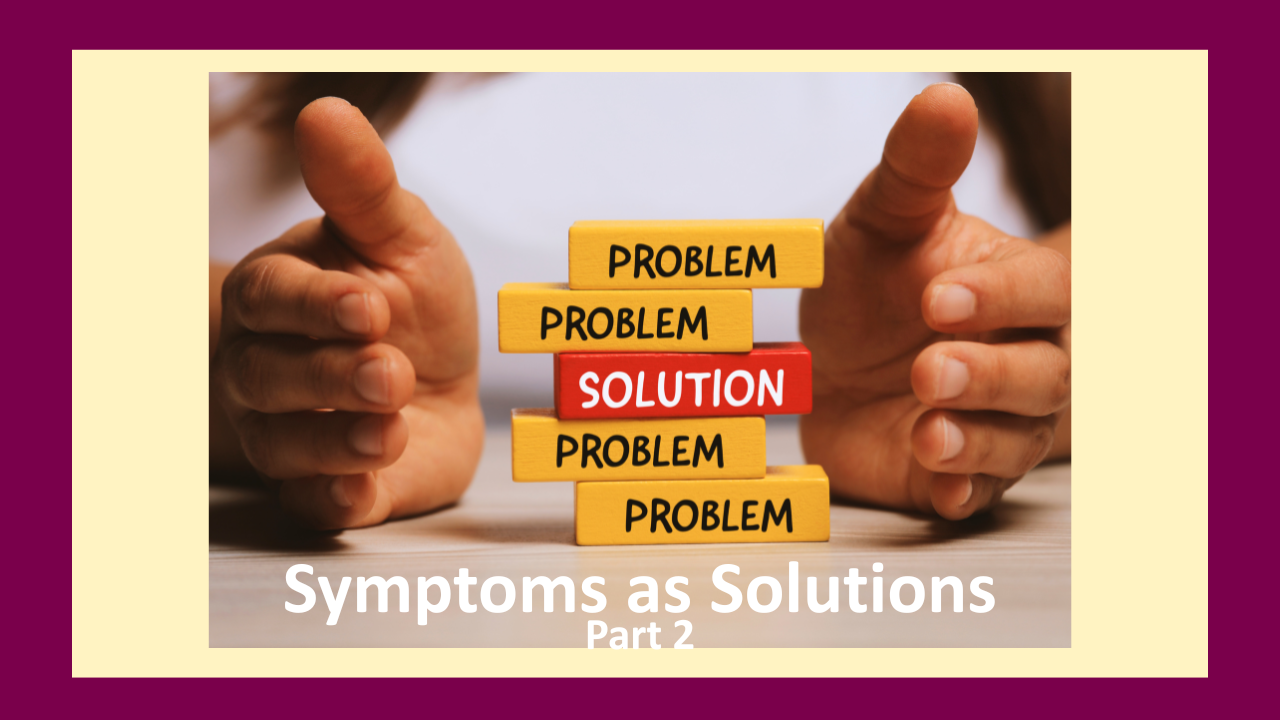
Many trauma-related behaviors began as solutions to impossible situations. In this video, I explain why strategies that helped in childhood don’t automatically update — and how they can become symptoms later in life.
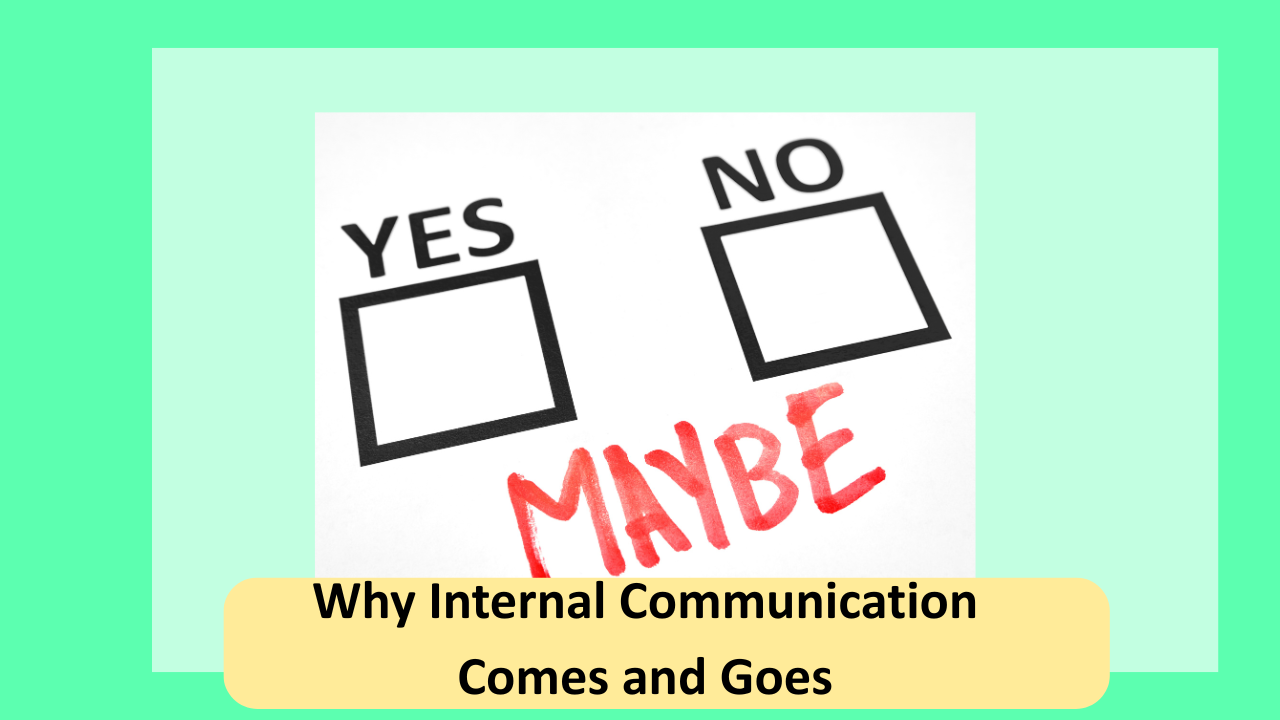
Explains why internal communication in DID naturally expands and contracts in response to stress, safety, and system capacity.
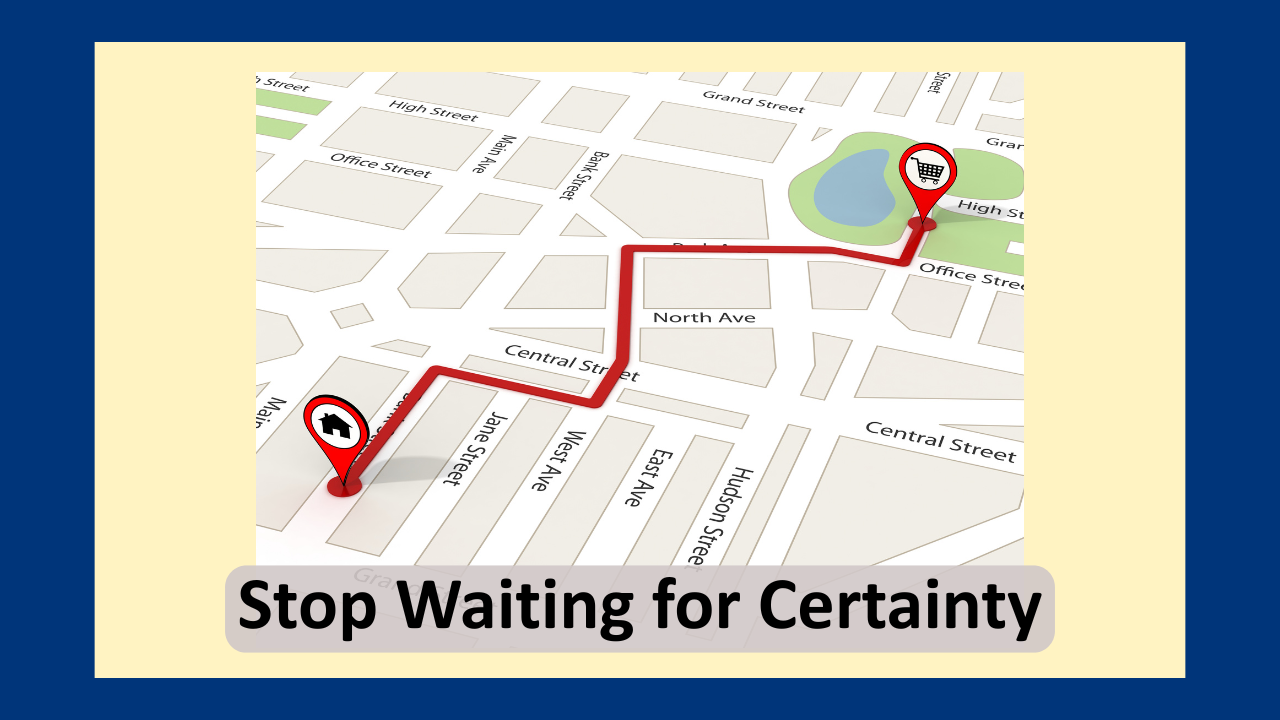
If you feel stuck waiting for certainty before taking the next step in healing, this video offers another approach. I discuss two reliable ways systems can evaluate next steps without compromising safety.

Healing in DID often happens in small, quiet ways that don’t feel like progress. In this video, I talk about why emotional change isn’t always a reliable marker — and what real progress in dissociative healing often looks like instead.