Is Your Therapy Really Trauma-Informed? What to Look For
What is trauma-informed therapy? Learn how safety, trust, client choice, and cultural sensitivity create safer healing for survivors of trauma and DID.

What is trauma-informed therapy? Learn how safety, trust, client choice, and cultural sensitivity create safer healing for survivors of trauma and DID.
Discover 7 surprising ways parts communicate in DID — beyond words. Learn simple checks and gentle prompts to strengthen system communication and safety.

Practical tips for talking to children about DID — using relatable examples, recommended books, and guidance on setting healthy privacy boundaries.
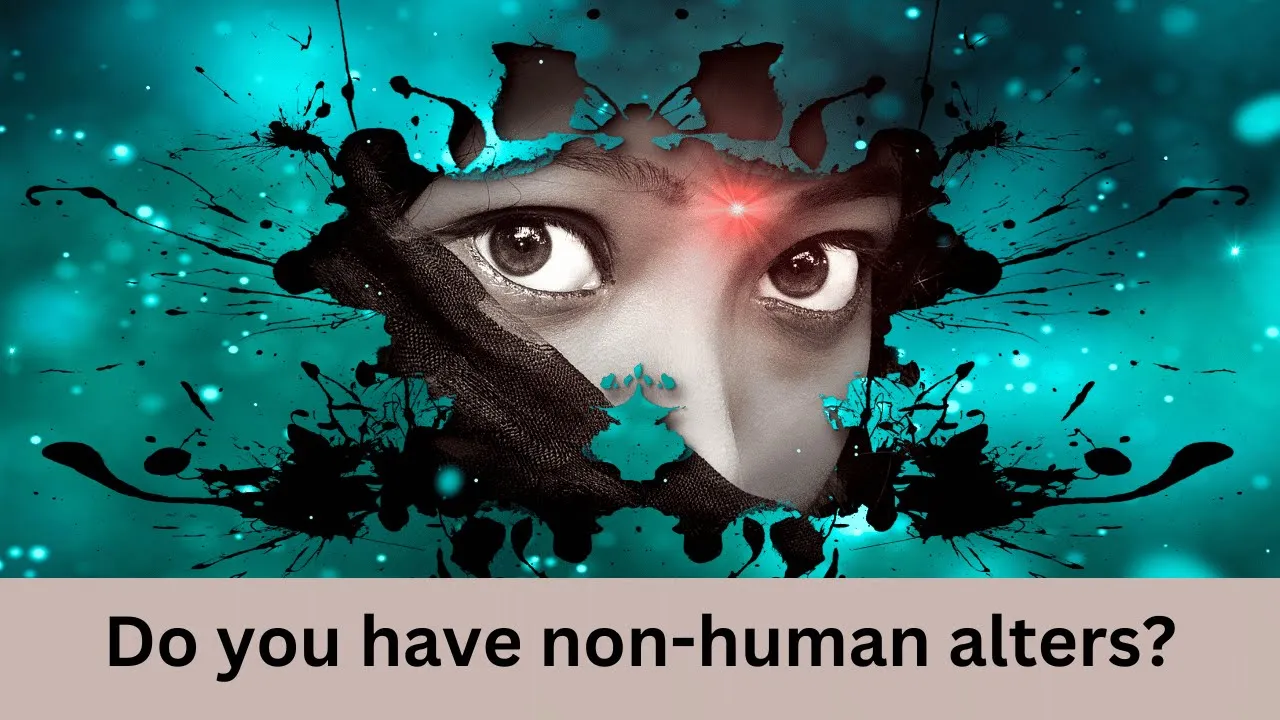
Why some DID alters appear as demons, animals, or objects — what these forms symbolize, and how respect helps build trust in early recovery.

Why some parents with DID or OSDD choose to tell their kids — including how openness can reduce confusion, ease self-blame, and take away shame.
How to stop self-criticism from worsening DID symptoms — using unblending and curiosity to shift harsh thoughts into opportunities for healing.
Learn how noticing and linking emotions, triggers, memories, and parts can strengthen system healing and reduce confusion in daily life.

How self-criticism affects DID systems — pushing you into shutdown or overdrive — and why these survival responses can be updated for healing.

Integration in DID and OSDD explained: why healing comes from differentiation and linkage between parts — not just final fusion into one self.

The key “do nots” of system communication — habits that block trust and healing — and why respect creates the foundation for safety inside.